Russia and China have stepped up their separate diplomatic engagements with Somalia, most visibly in the last one year. Diplomatic exchanges have increased in tempo and a raft of bilateral cooperation agreements has been signed.
Publications
-
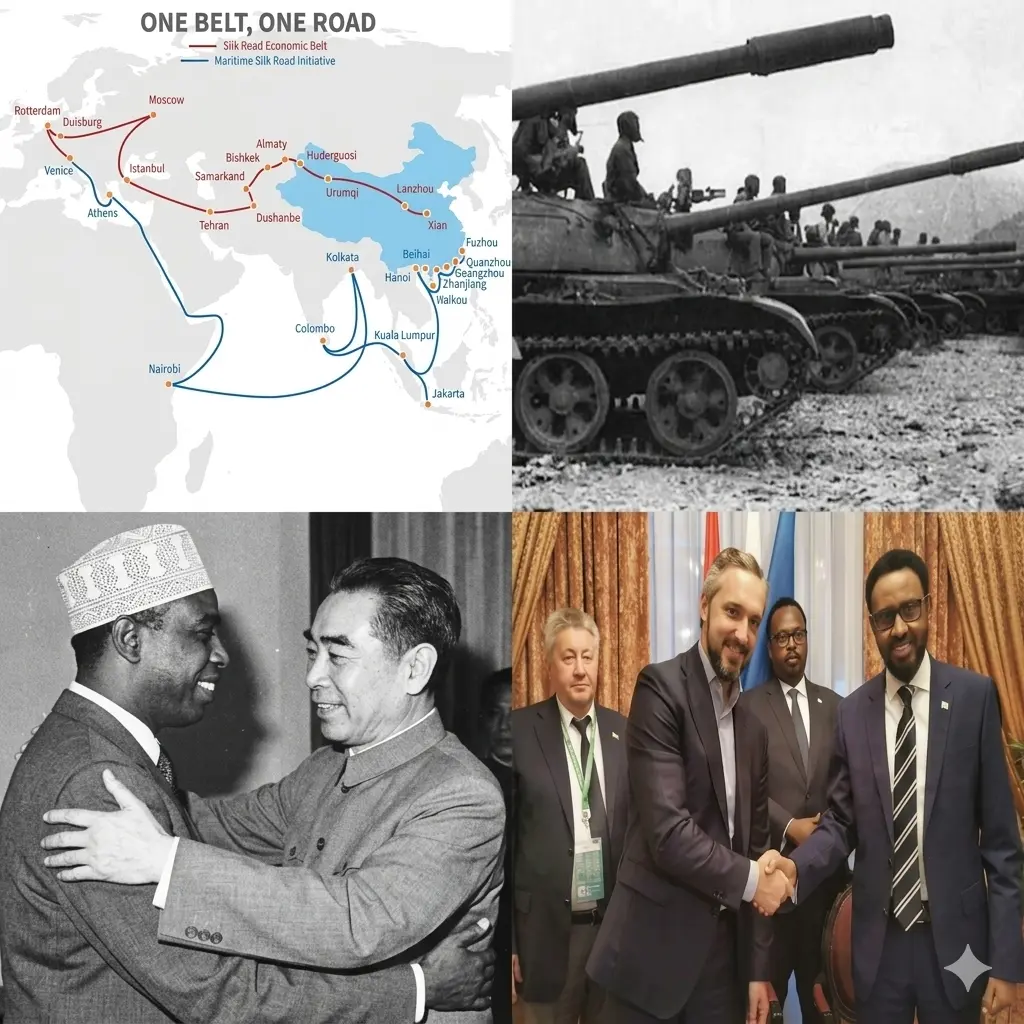 China and Russia in Somalia : Influence, Trade and Contest (2023)
 -
 Somalia’s Proxy Wars: Who is Manipulating Whom? (2019)
On 19 August 2019, near the southern Somali port town of Kismayo, soldiers from the Kenyan and Ethiopian armies faced off warily against one another at point-blank range down the barrels of their guns.
-
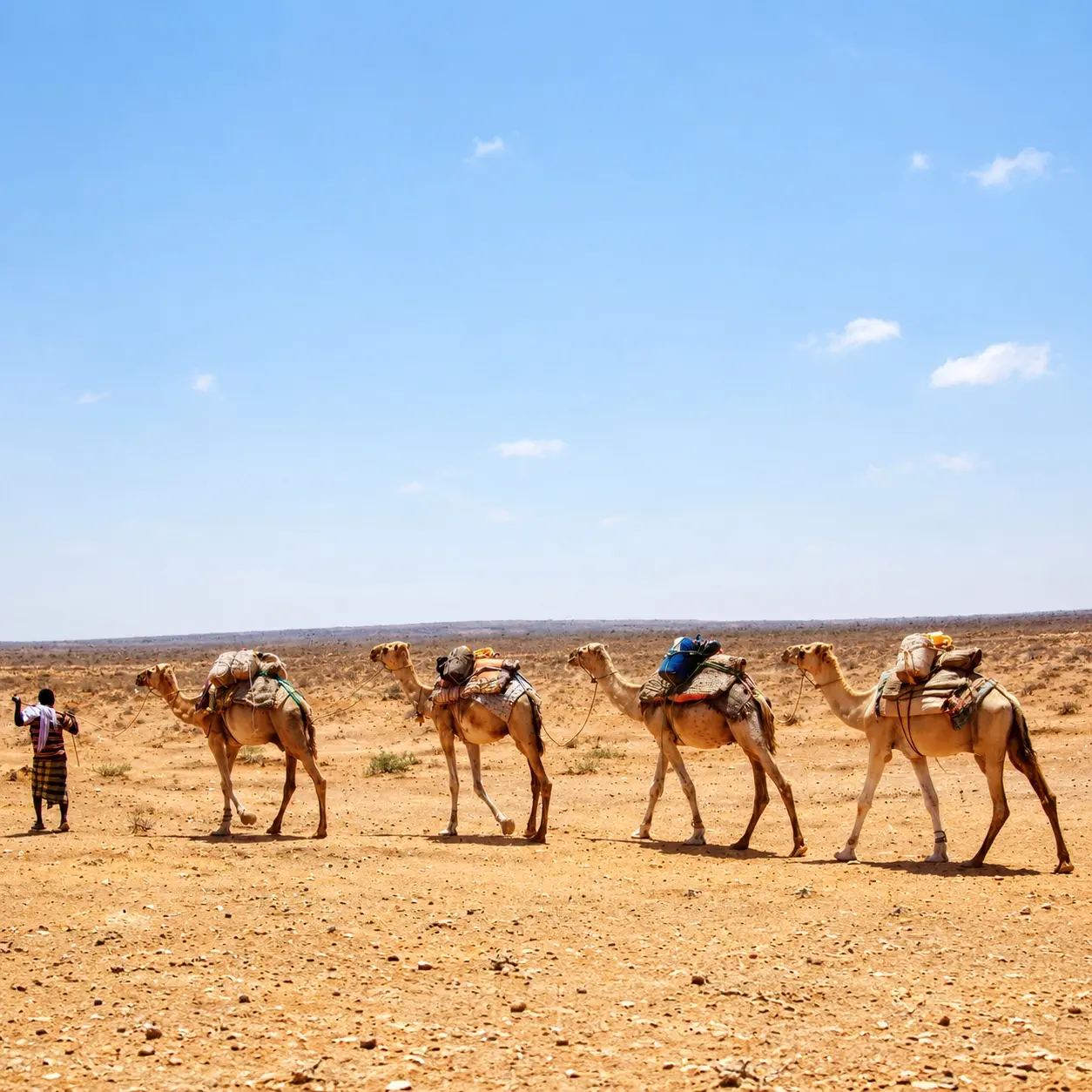 Al-Shabaab as a Transnational Security Threat (2016)
Harakaat Al-Shabaab Al-Mujaahidiiin, Al-Qaeda’s affiliate in the Horn of Africa, has long been perceived as a Somali organisation – albeit one that represents a security threat to the wider region.
-
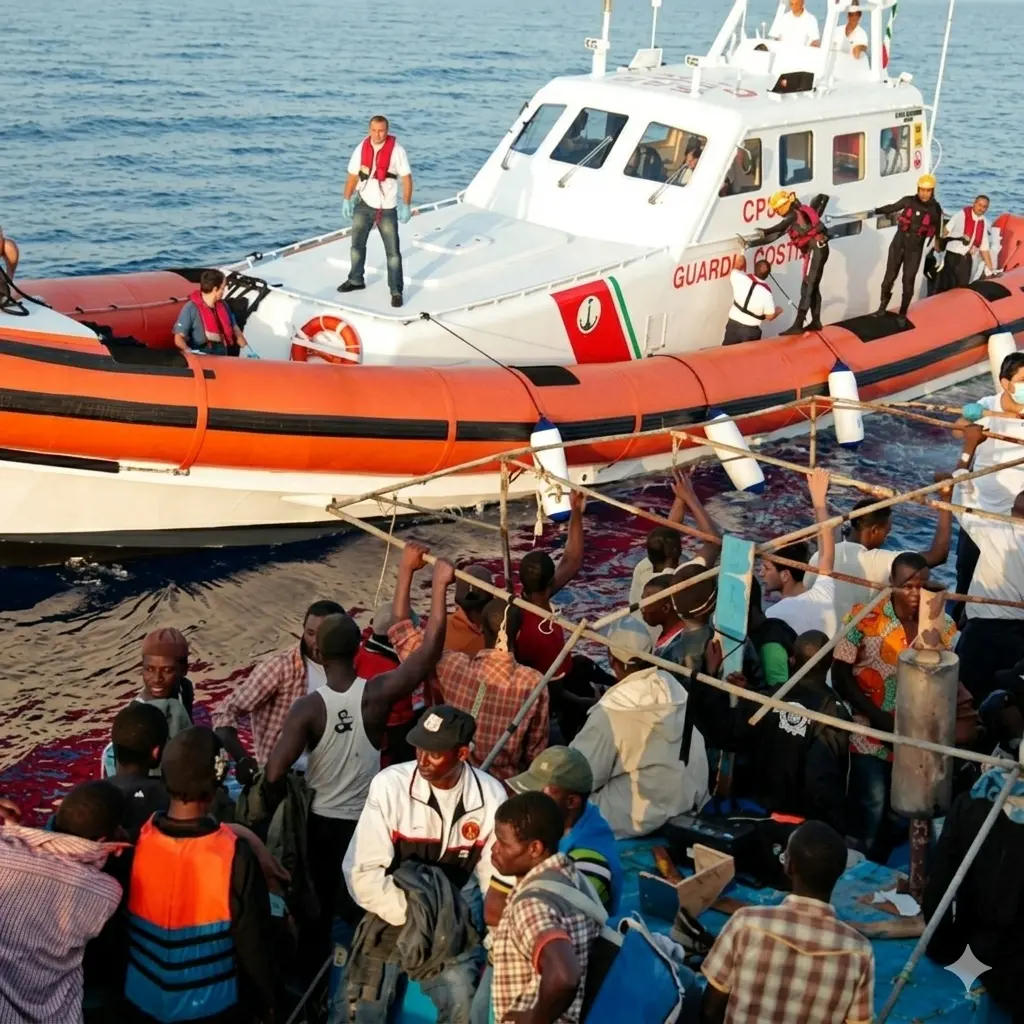 Human Trafficking and Smuggling on the Horn of Africa-Central Mediterranean Route (2016)
As Europe struggles to manage its largest migrant crisis in more than half a century, attention has focused largely upon the refugee flows from Syria, Iraq, and Afghanistan, where years of war and instability are driving the exodus.
-
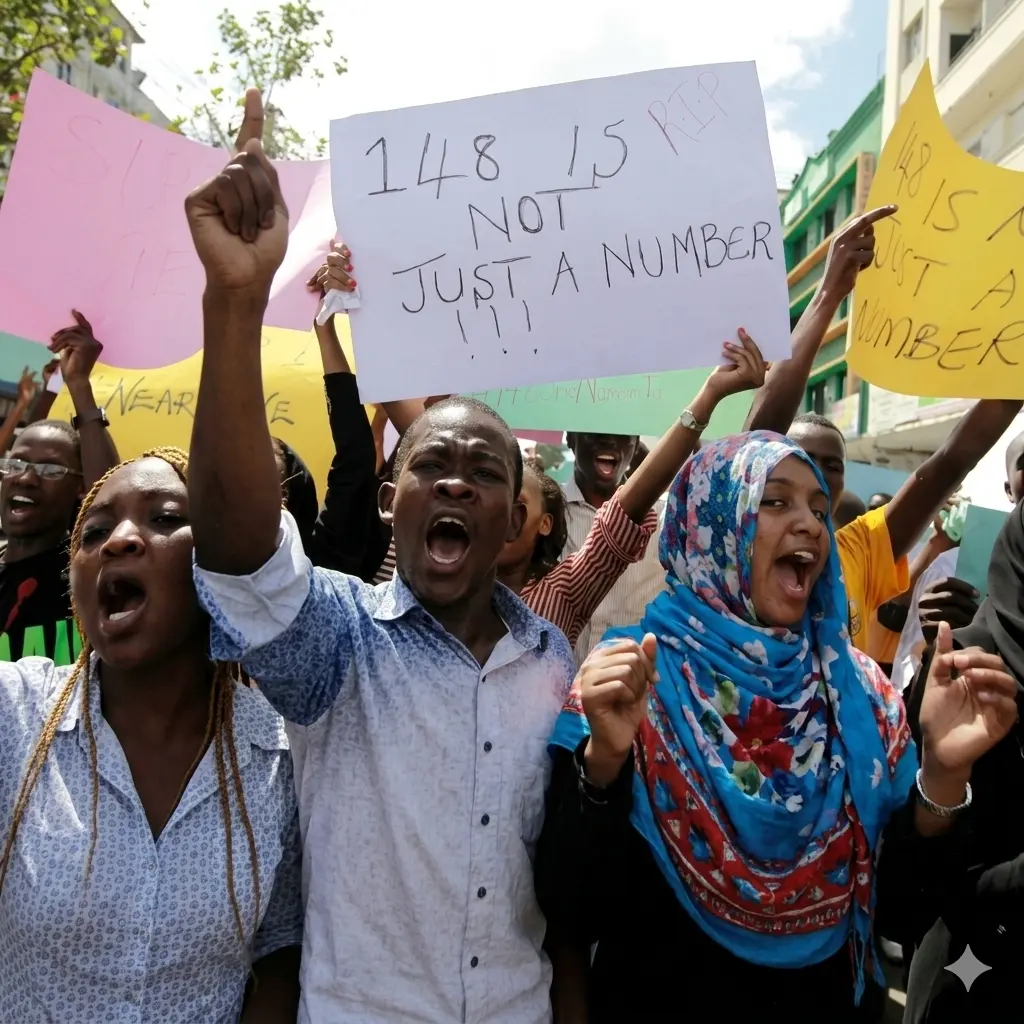 Violent Extremism and Clan Dynamics in Kenya (2016)
This report, which is derived from interviews across three Kenyan counties, explores the relationships between resilience and risk to clan violence and to violent extremism in the northeast region of the country.
-
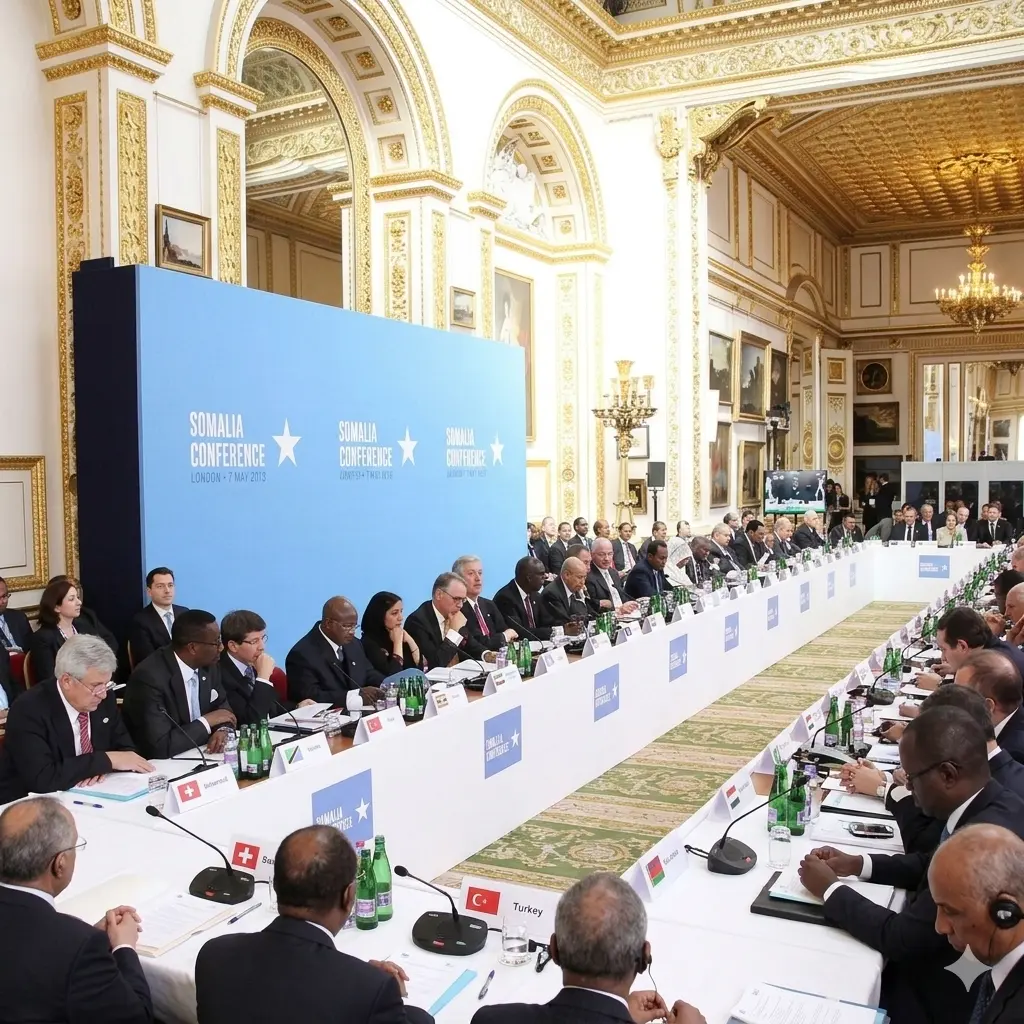 Somalia's Troubled Transition : Vision 2016 Revisited
Somalia is politically in far better shape than when President Hassan Sheikh took office in 2012, but much of that progress threatens to unravel as the country lurches toward an uncertain and ill-prepared political transition in August 2016.